Travelling to Eastern Bhutan offers an off-the-beaten-path experience in one of the most remote and culturally rich regions of the country. It’s ideal for travelers seeking authenticity, traditional culture, serene nature, and lesser visitors.
Here’s a complete guide to help you plan a memorable trip to Eastern Bhutan:
WHY VISIT EASTERN BHUTAN?
Eastern Bhutan (Dzongkhags: Trashigang, Mongar, Lhuentse, Trashiyangtse, Samdrup Jongkhar, and Pemagatshel) is known for:
- Authentic cultural experiences – fewer visitors means more intimate interaction with local communities.
- Traditional weaving – Lhuentse and Trashigang are famous for kushuthara (intricate hand-woven textiles).
- Remote temples and dzongs – ancient architecture with deep spiritual significance.
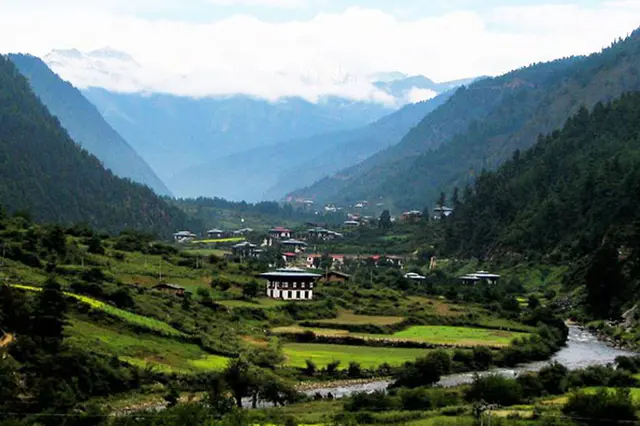
- Lush forests and scenic drives – the region is mountainous, green, and dotted with traditional villages.
How to Get There
Option 1: Fly + Drive
- Fly into Paro International Airport (PBH).
- Then drive east via Thimphu → Punakha → Trongsa → Bumthang → Mongar → Trashigang.
- Distance: ~500 km. Takes 4–5 days with scenic overnight stops.
Option 2: Domestic Flight
- Take a domestic flight from Paro to Yonphula Airport (near Trashigang).
- Only operates in favorable weather; limited flights per week.
Option 3: Via Guwahati, Assam
- Enter through the Samdrup Jongkhar border (adjacent to Assam, India).
- Best for those combining Bhutan with Northeast India.
Top Places to Visit in Eastern Bhutan
1. Trashigang
- Trashigang Dzong – dramatic clifftop fortress.
- Gateway to Merak and Sakteng (Brokpa nomadic villages).
2. Mongar
- Mongar Dzong – modern yet traditionally built.
- Stunning views over the Kuri Chhu river valley.
Bird watching at Yongkola-Tamang with overnight stop at Yongkola Tragopan Villa.
3. Lhuentse
- Lhuentse Dzong – one of Bhutan’s most remote and beautiful dzongs.
- Known for textile weaving and ancestral home of the royal family.
4. Trashiyangtse
- Chorten Kora – unique stupa similar to Nepal’s Boudhanath.
- Bumdeling Wildlife Sanctuary – home to black-necked cranes (winter months).
5. Merak and Sakteng
- Isolated villages of the semi-nomadic Brokpa people.
- Accessible by farm road (4-5 hrs)
Best Time to Visit
- Spring (March–May): Blooming flowers, pleasant weather.
- Autumn (September–November): Clear skies, festivals.
- Avoid: Summer monsoon (June–August) due to landslides; winter (Dec–Feb) can be cold and roads icy in high passes.
Festivals
- Trashigang Tshechu (usually in Nov/Dec) – one of the largest festivals in eastern Bhutan.
- Chorten Kora Festival (Feb/March) – attracts both Bhutanese and Dakpa pilgrims from Arunachal Pradesh.
Travel Tips
- Tourism policy: Bhutan has a Sustainable Development Fee (SDF) of USD $100 per day (as of 2025) for most international tourists.
- Guide & permit required: You must book through a licensed Bhutanese tour operator or partner.
- Altitude: Ranges from 600m (Samdrup Jongkhar) to over 3,800m (Sakteng); pace yourself accordingly.
- Accommodation: Mostly 2–3 star hotels and guesthouses in eastern regions – basic but clean and hospitable.
- Internet/Phone: Limited in rural areas; better in towns like Mongar or Trashigang.
What to Pack
- Layered clothing – mornings/evenings are chilly.
- Rain gear (if going during monsoon season).
- Hiking boots (for treks or village walks).
- Power bank and flashlight.
- Gifts for locals (optional but appreciated – think small and thoughtful).
Off-the-beaten Path Highlights
- Radhi village – known for weaving and rice terraces.
- Khoma village (Lhuentse) – exquisite weaving traditions.
- Sakteng Wildlife Sanctuary – legend says it’s home to the mythical Yeti.
- Traditional hot stone baths – especially nice in cooler seasons.
— Book Your Tour