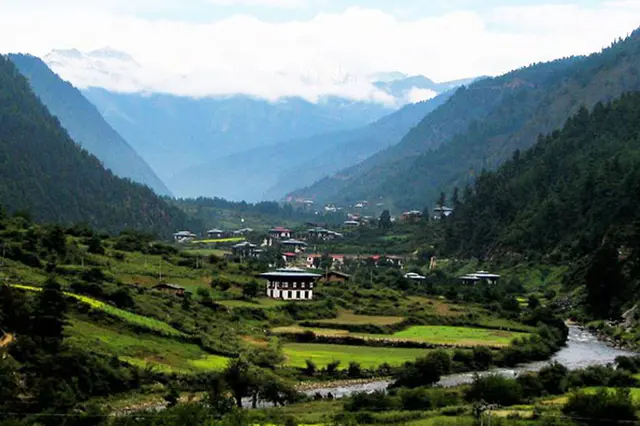
Eastern Bhutan
The road less travelled — weaving villages, cliffside dzongs and the Brokpa highlands.
The road less travelled — weaving villages, cliffside dzongs and the Brokpa highlands.
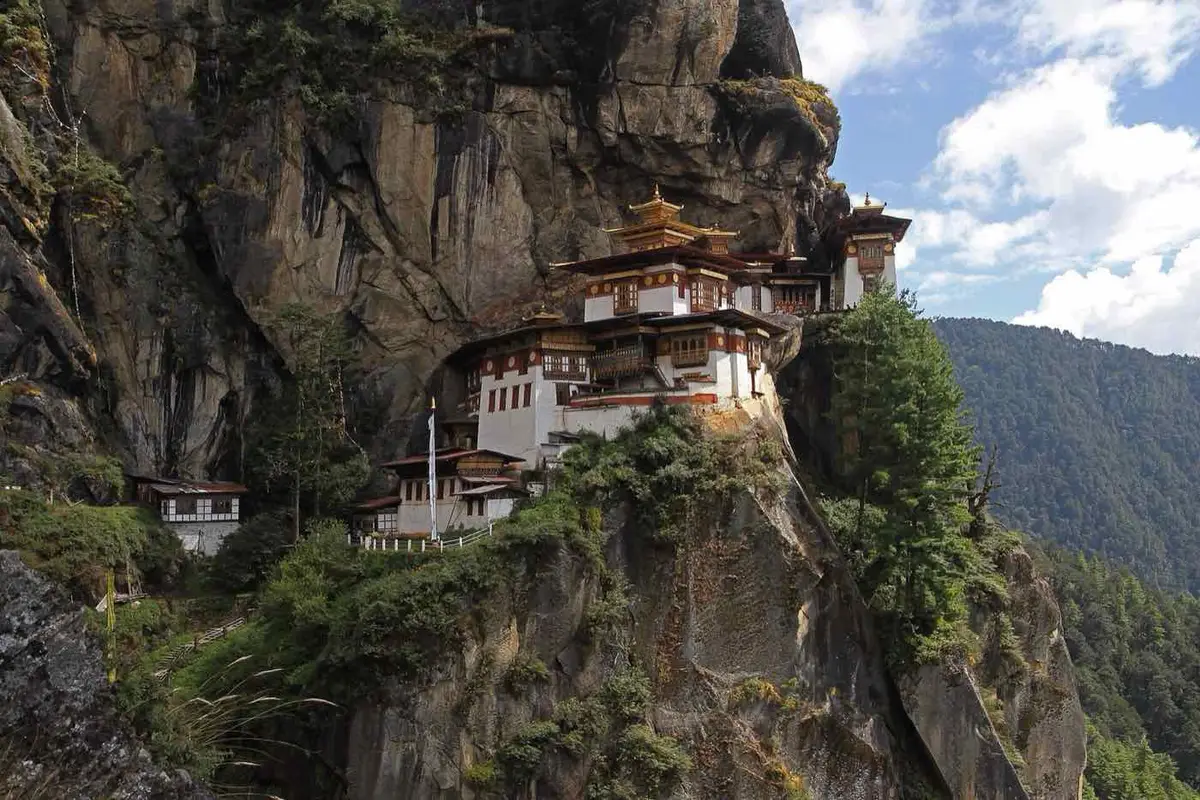
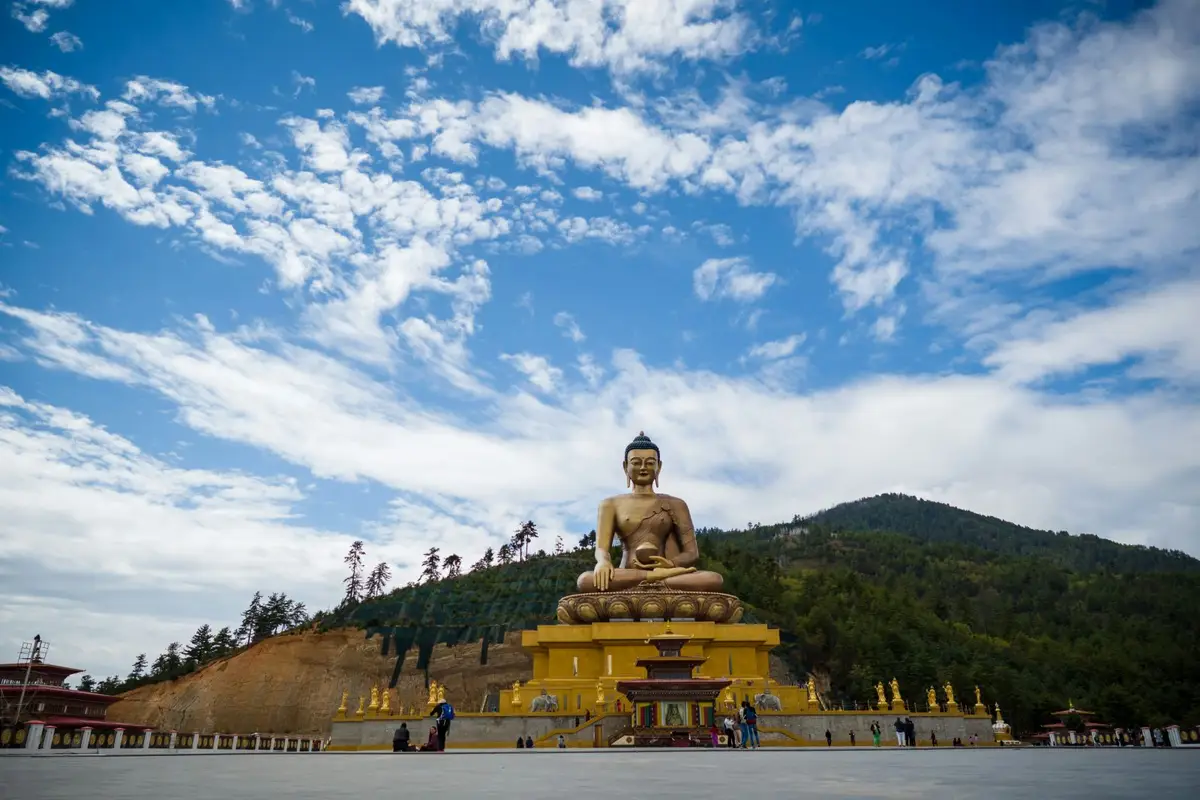
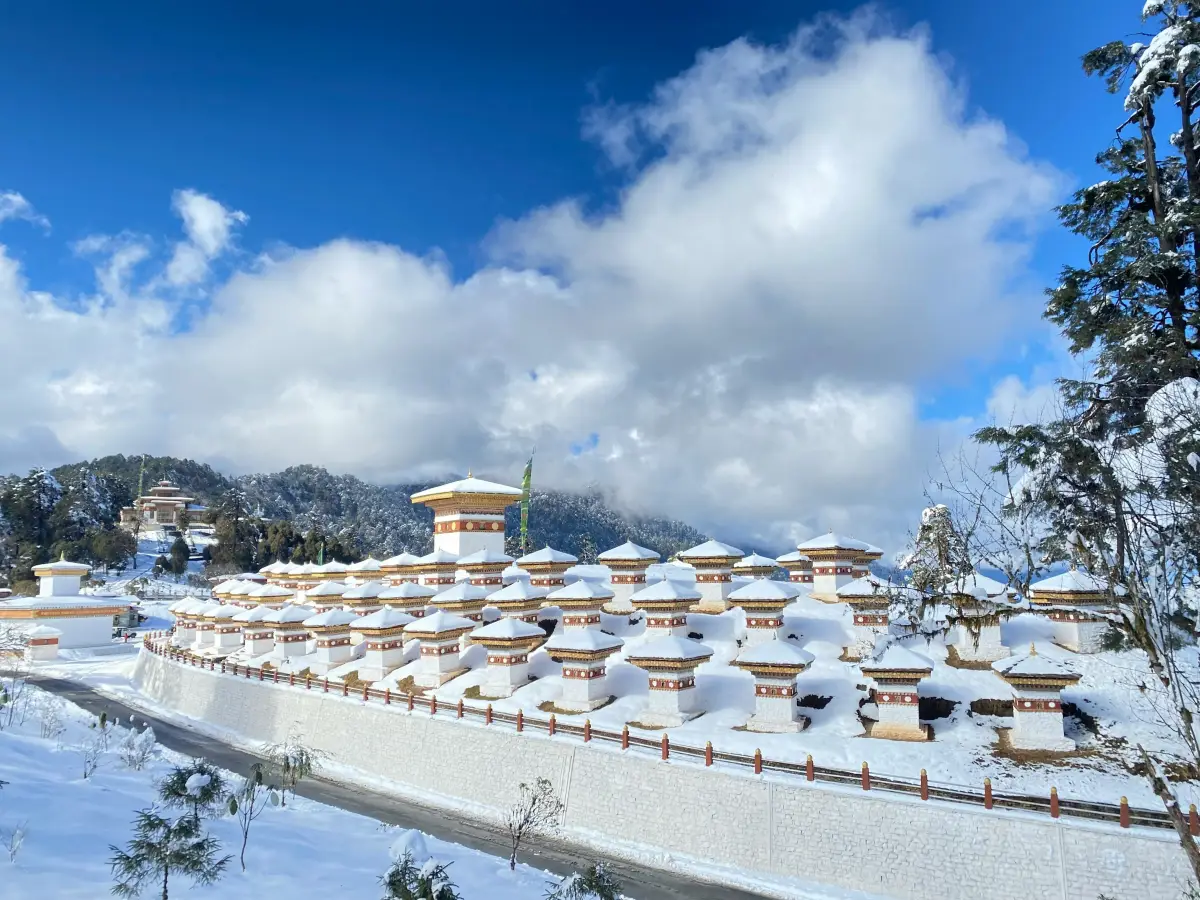
Eastern Bhutan — Trashigang, Mongar, Lhuentse, Trashiyangtse, Samdrup Jongkhar and Pemagatshel — offers an off-the-beaten-path journey through one of the most remote and culturally rich regions of the country.
Fewer visitors means more time with local communities. Lhuentse and Trashigang are famous for kushuthara, intricately hand-woven textiles; Trashigang is the gateway to Merak and Sakteng, the villages of the semi-nomadic Brokpa.
Highlights of Eastern Bhutan
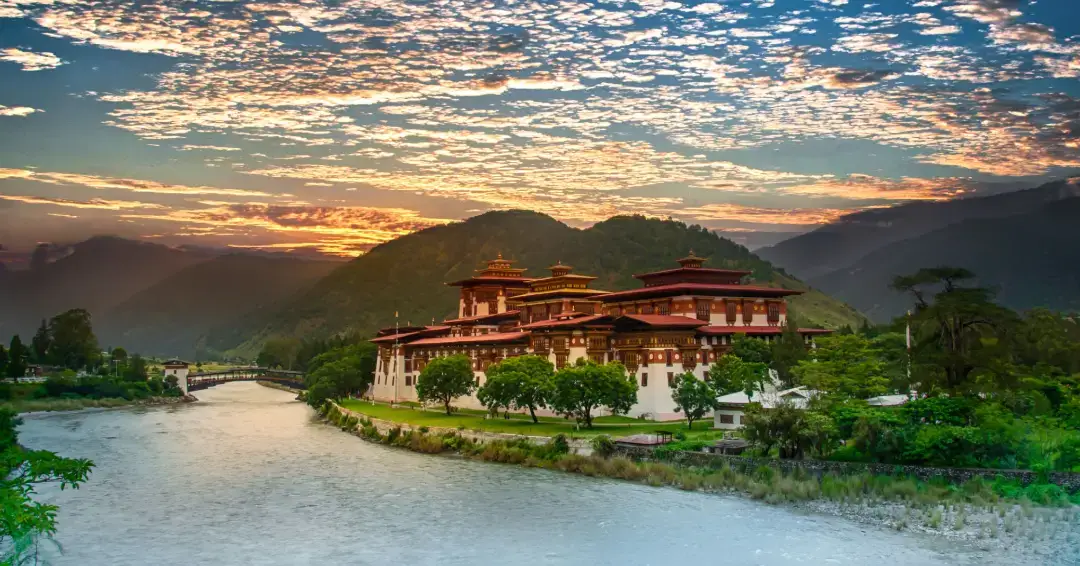
Trashigang Dzong
A dramatic clifftop fortress above the river.
Merak & Sakteng
Highland villages of the Brokpa yak herders, linked by a trek over Nachung La.
Learn more →Mongar
Mongar Dzong and views over the Kuri Chhu valley.
Lhuentse
One of Bhutan's most remote and beautiful dzongs, and home of kushuthara weaving.
Bird watching
The forests around Yongkola are a favourite of birders.
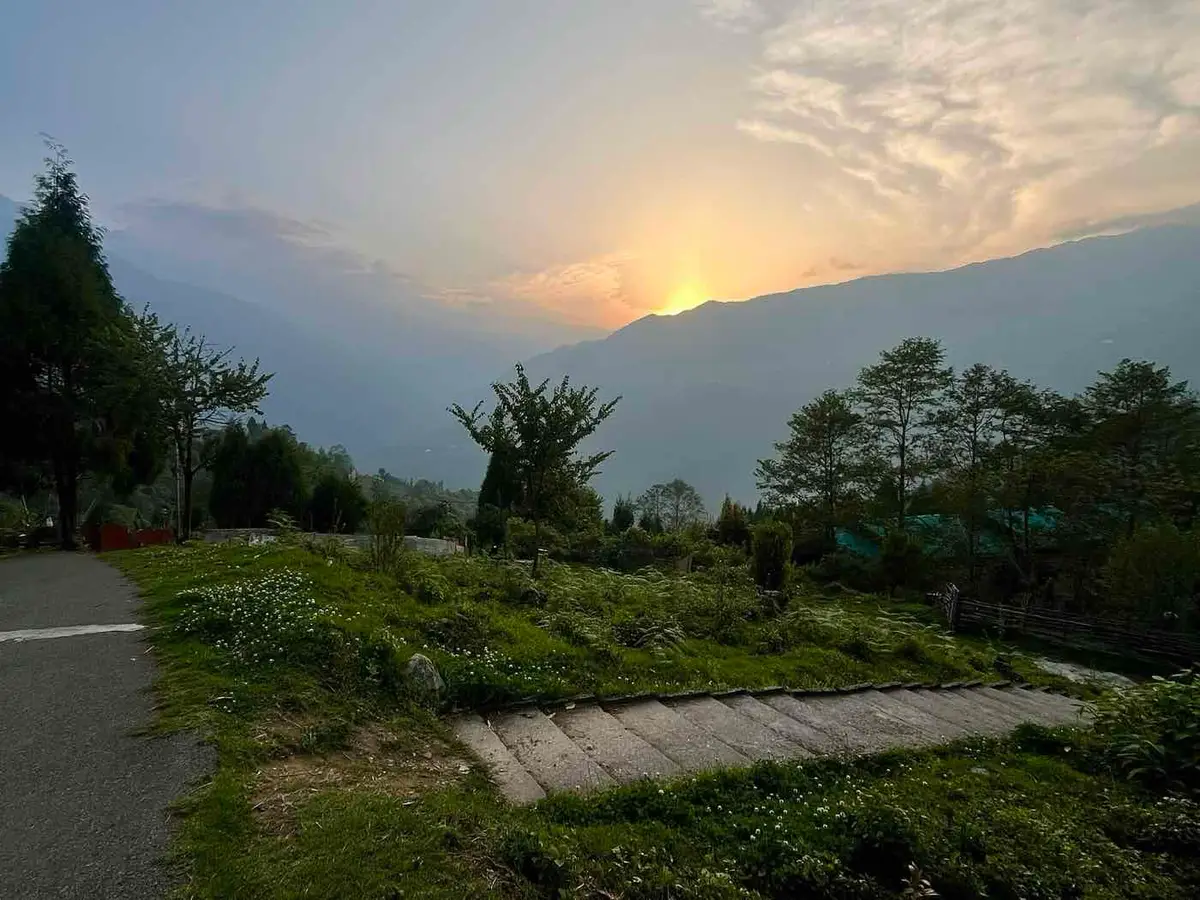
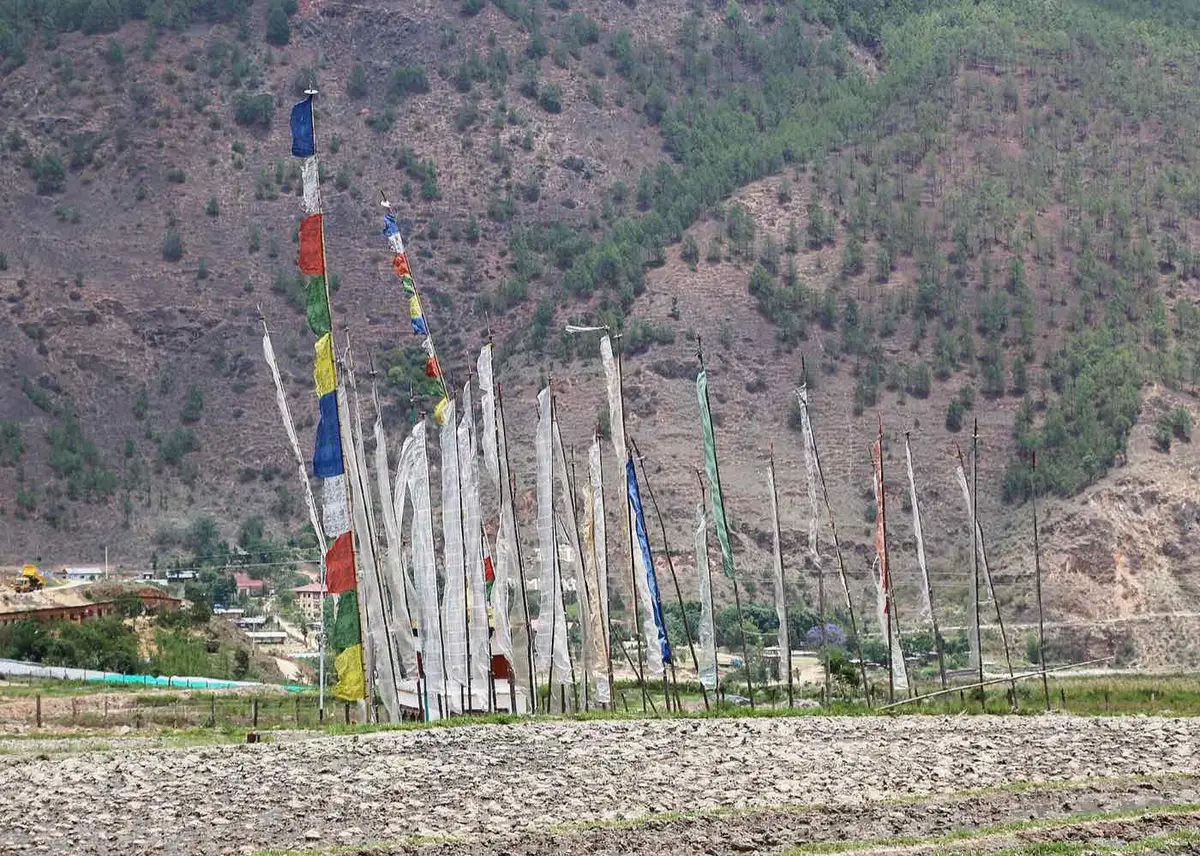
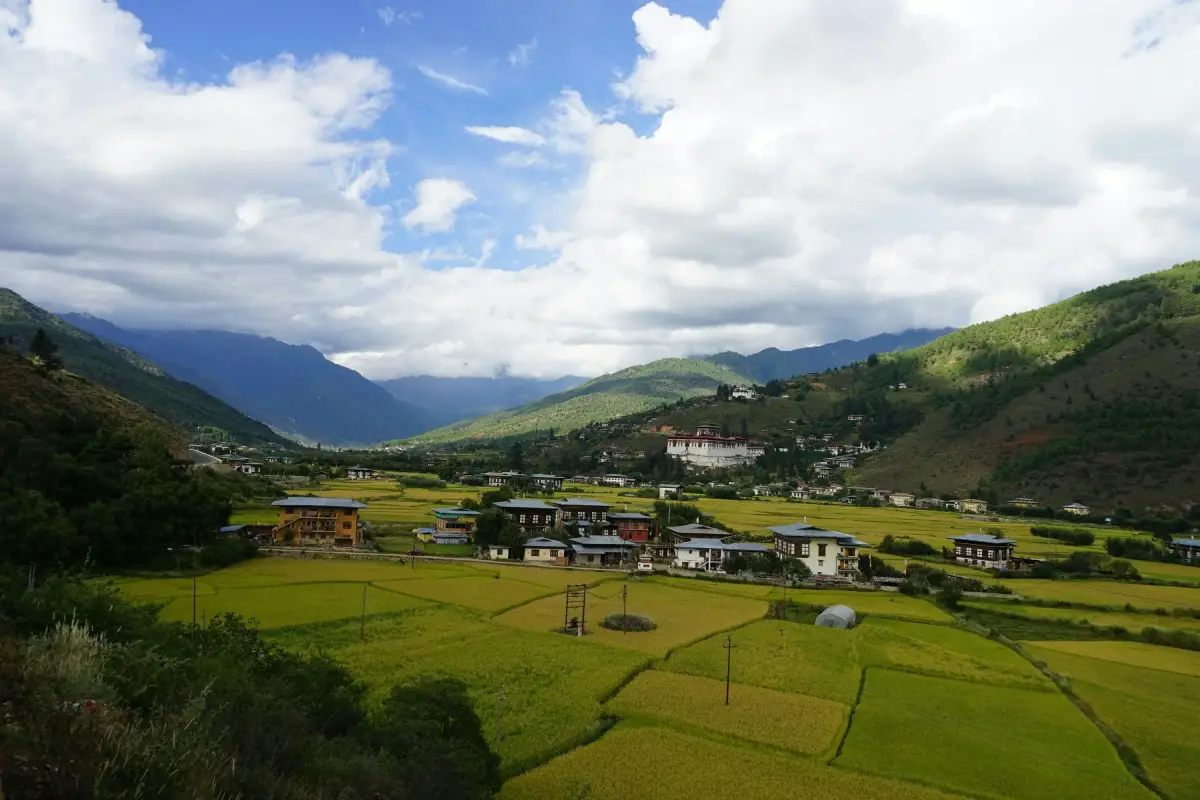
How to reach Eastern Bhutan
Drive east via Thimphu, Punakha, Trongsa, Bumthang and Mongar (about 500 km over 4–5 days), take a domestic flight from Paro to Yonphula near Trashigang (weather permitting), or enter by road through Samdrup Jongkhar from Assam, India.
Visit Eastern Bhutan with us
Travelling to Eastern Bhutan
Eastern Bhutan (Dzongkhags: Trashigang, Mongar, Lhuentse, Trashiyangtse, Samdrup Jongkhar, and Pemagatshel) is known for: - Authentic cultural experiences – fewer visitors means more intimate…
Read the guideGood to know
How long do I need for the east?
At least 10–12 days in total if you drive both ways; flying one way saves time.
Is the east suitable for first-time visitors?
Yes, if you enjoy long drives and simple hotels — the reward is authentic, uncrowded Bhutan.