Travel on the sacred days
Bhutan lives by the lunar calendar. Find the auspicious days in your dates — full moons, Guru Rinpoche days, holy days and festivals — and plan your temple visits around them.
When are the best days in your trip?
Enter your travel dates. We'll mark every sacred day in them — and tell you why it matters and where to be.
Small numbers show the day of the lunar month. Monthly sacred days are calculated from the moon and can differ from Bhutan's official calendar by a day; holy days and festivals use the published dates. We confirm everything with your itinerary.
Five days that come back each month
Bhutan follows a Vajrayana Buddhist calendar. Certain days of every lunar month are sacred — temples are busier, butter lamps are lit, and many people make offerings or avoid meat.
Medicine Buddha day
Sangye Menla, the Buddha of healing. A good day for prayers for health — and for visiting temples dedicated to him.
Guru Rinpoche day
The tenth day belongs to Guru Rinpoche. Bhutan's great tshechu festivals are held on or around it, and temples fill with butter lamps.
Full moon — Amitabha Buddha
One of the most auspicious days of the month. Many Bhutanese visit temples, make offerings and avoid meat.
Dakini day
A day for the dakinis, the female wisdom beings of Vajrayana Buddhism; feast offerings are made in monasteries.
New moon — Shakyamuni Buddha
The day of the historical Buddha. Like the full moon, merit made today is said to be greatly multiplied.
Holy days and festivals, 2026–27
On the great holy days — Duechen — Buddhists believe the merit of good actions is multiplied many times. Festival dates are the Department of Tourism's tentative calendar and follow the moon.
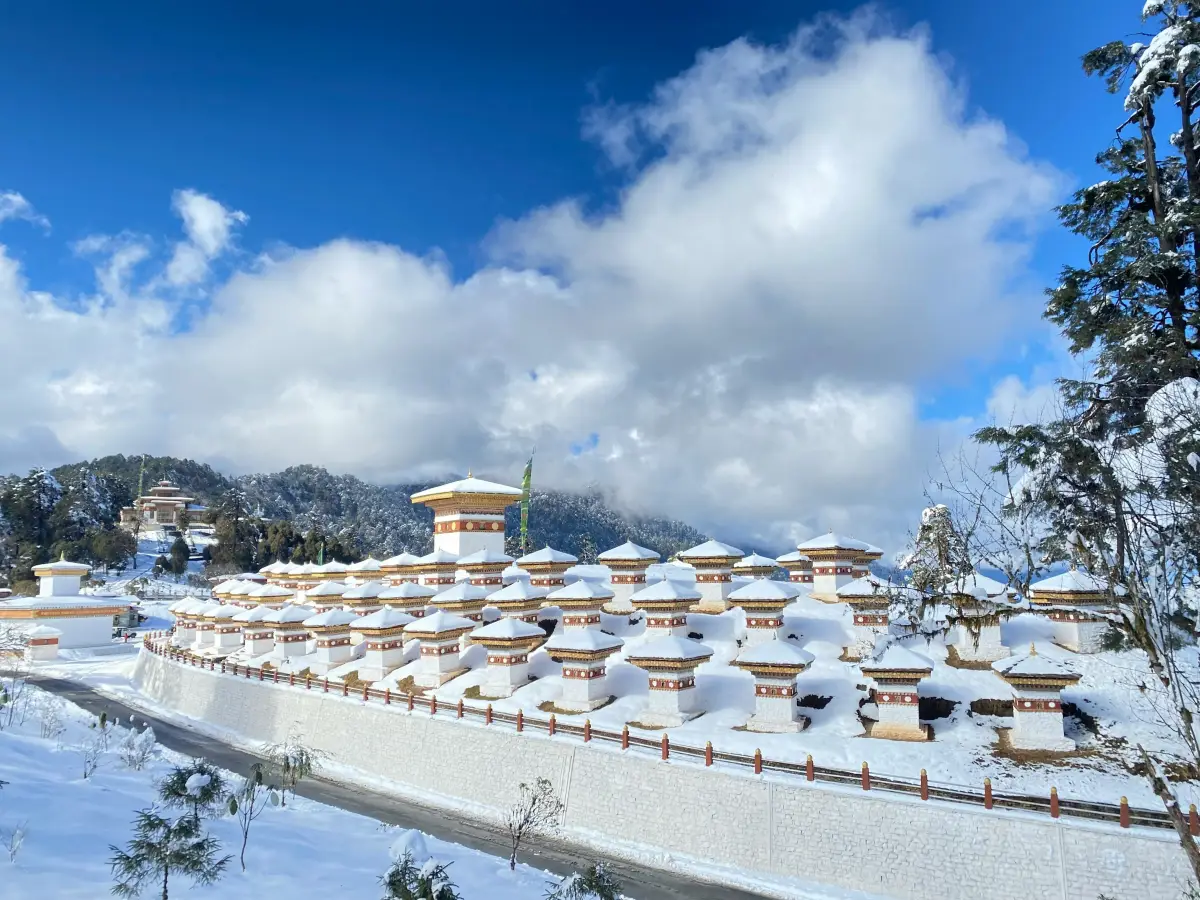
- Druk Wangyel TshechuFestival
Festival at Dochula Pass, honouring the Fourth King and the armed forces.
- Nyilo — Winter SolsticeHoly day
The sun turns north; families gather and children go from house to house singing for blessings.
- Traditional Day of OfferingHoly day
A traditional holiday of offerings to the local deities, marking the start of the twelfth lunar month.
- Losar — Bhutanese New YearHoly day
The lunar New Year: prayer flags renewed, temples visited, archery and family feasts.
- Punakha DrubchenFestival
Re-enactment of the 17th-century victory over Tibetan forces, at Punakha Dzong (tentative, 13–15 Feb).
- Punakha TshechuFestival
Masked dances in the courtyard of Punakha Dzong (tentative, 16–18 Feb).
- Paro TshechuFestival
Bhutan's most famous festival at Rinpung Dzong, ending with the dawn unveiling of the great thongdrel (tentative, 18–22 Mar).
- Zhabdrung KuchoeHoly day
Remembers the passing of Zhabdrung Ngawang Namgyal, who unified Bhutan in the 17th century.
- Lord Buddha's ParinirvanaHoly day
Saga Dawa Duechen: the Buddha's birth, enlightenment and passing into parinirvana, remembered on one day.
- Birth Anniversary of Guru RinpocheHoly day
The birth of Guru Padmasambhava, who brought Vajrayana Buddhism to Bhutan in the 8th century.
- First Sermon of Lord BuddhaHoly day
Chhoekhor Duechen: the Buddha's first teaching at Sarnath, the first turning of the wheel of dharma.
- Blessed Rainy DayHoly day
Thruebab: the end of the monsoon; a ritual bath washes away bad deeds (some calendars give 24 Sep).
- Thimphu TshechuFestival
Three days of masked dances at Tashichho Dzong in the capital (tentative, 10–12 Oct).
- Black-Necked Crane FestivalFestival
Celebrating the cranes' return to the Phobjikha valley, at Gangtey.
- Descending Day of Lord BuddhaHoly day
Lhabab Duechen: the Buddha's descent from the heaven of the thirty-three gods.
- Druk Wangyel TshechuFestival
Festival at Dochula Pass, honouring the Fourth King and the armed forces.
Dates change each year with the lunar calendar. Holy days are public holidays in Bhutan: some offices and shops close, and dzongs may be busy with ceremonies.
Ask the astrologer
The sacred days above are the same for everyone. Bhutanese families go one step further: before a journey, a wedding, building a house or starting something new, they ask a tsip — an astrologer — to find the zakar, the auspicious day.
The tsip reads the Bhutanese almanac, the lotho, built on the lunisolar calendar inherited from the Kalachakra tradition. A zakar is not the moon alone: it weighs the lunar day, the day of the week, the lunar mansion and the elements, and the birth year — animal and element — of the person asking. That is why two people can be given different good days for the same trip.
If you'd like, tell us your birth year and we can ask a local astrologer to suggest auspicious days for an important moment on your journey — a blessing, a prayer-flag offering, or a visit to a sacred site.
Ask about a zakarJoin in, gently
Sacred days are the best time to see Buddhism as Bhutanese people live it. A few customs make you a welcome guest.
- Walk clockwise around temples, chortens and prayer wheels — always keep them on your right.
- Dress with respect: long sleeves and long trousers or skirts. Your guide wears a kabney or rachu scarf into the dzong.
- Hats off, shoes off where asked, and no photographs inside temples.
- Offer a butter lamp or a small donation — your guide will show you how and what to say.
- Expect crowds at the great temples on full moons and holy days, and start early for the best of the morning prayers.
- Ask before photographing monks and people at prayer, and never point your feet at an altar.
Journeys for the spiritual traveller
Pilgrimages, monastery stays and festival journeys — each can be timed to the sacred days in your dates.
All journeys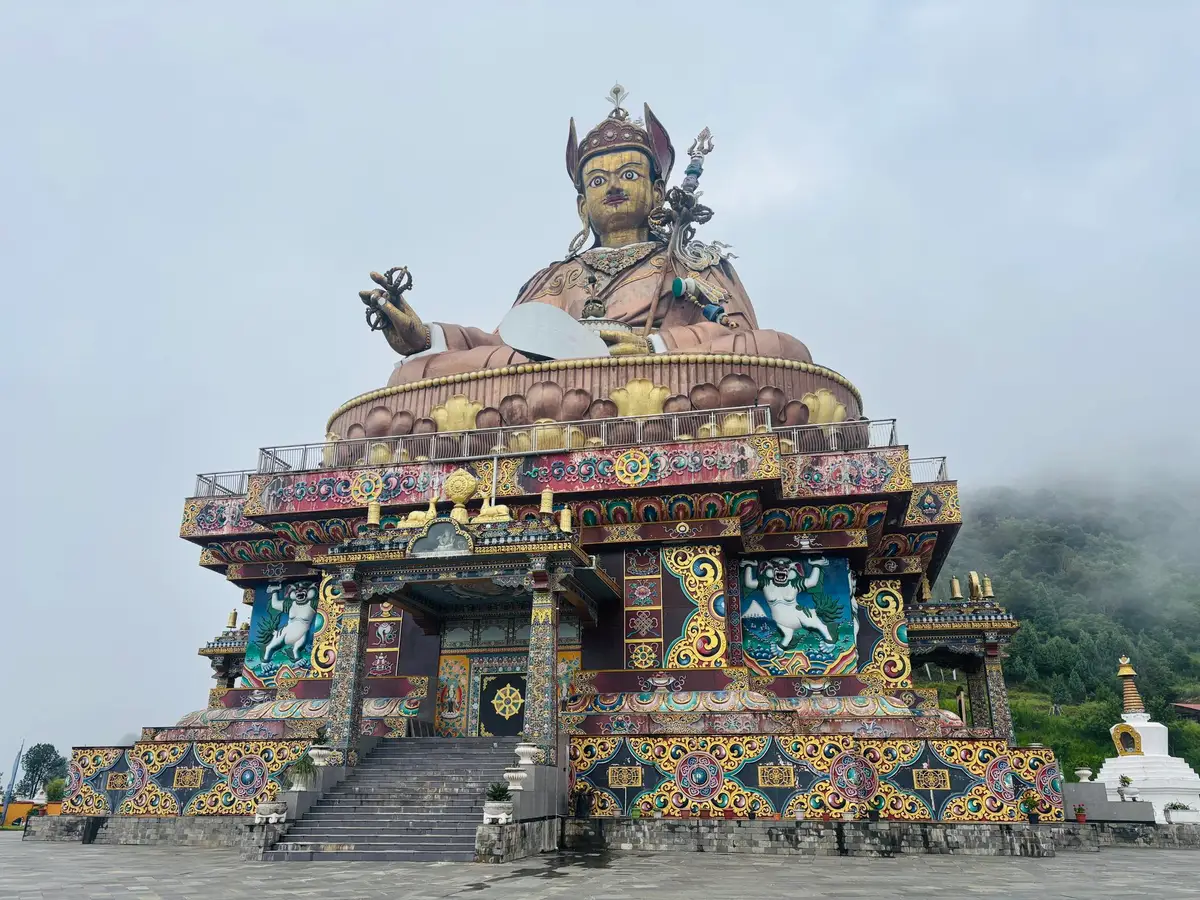
In the Footsteps of Guru Rinpoche
Ten days to the caves, temples and lakes where Buddhism took root in Bhutan.
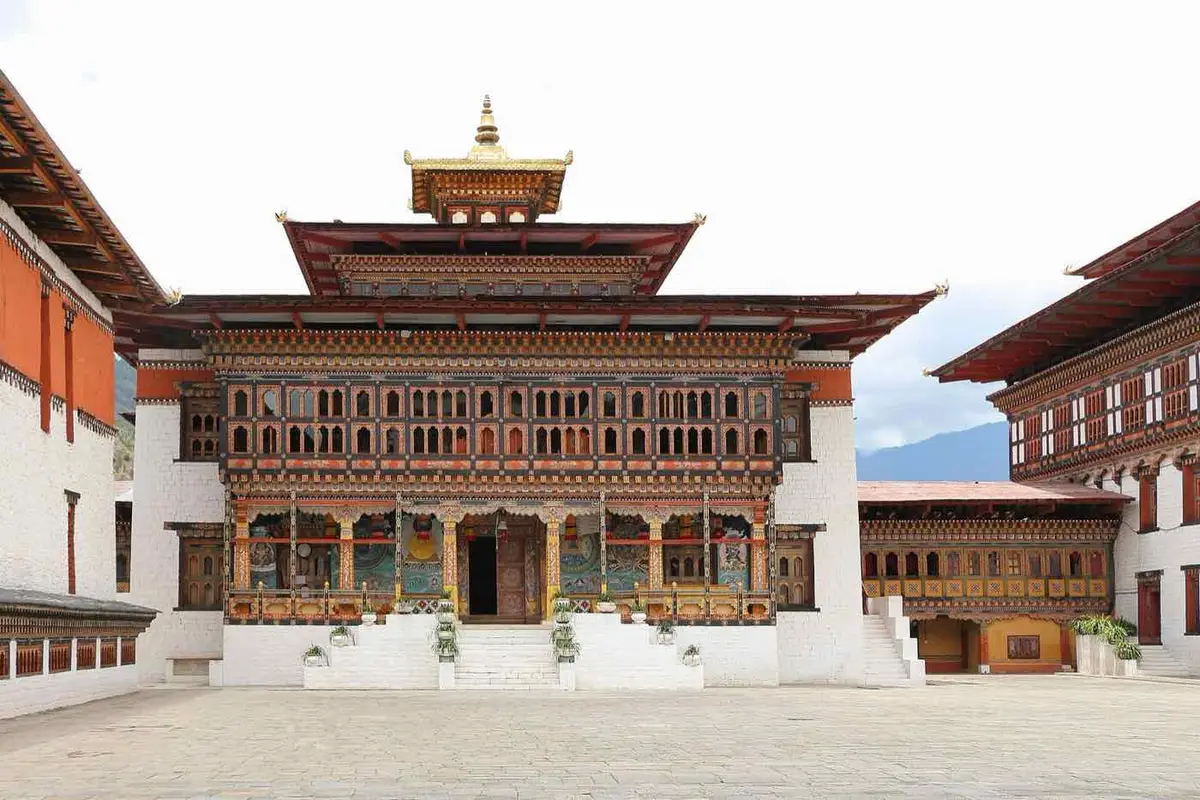
Living Buddhism: Monasteries & Masters
Eight days inside the living Buddhist culture of western Bhutan.
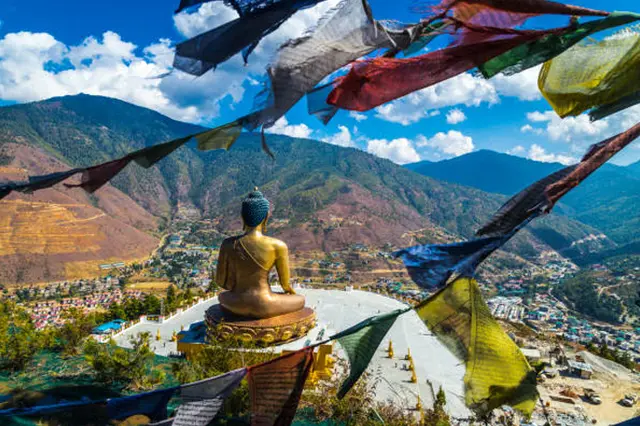
Mindfulness & Wellness Retreat
Eight restorative days built around Bhutan's philosophy of happiness.
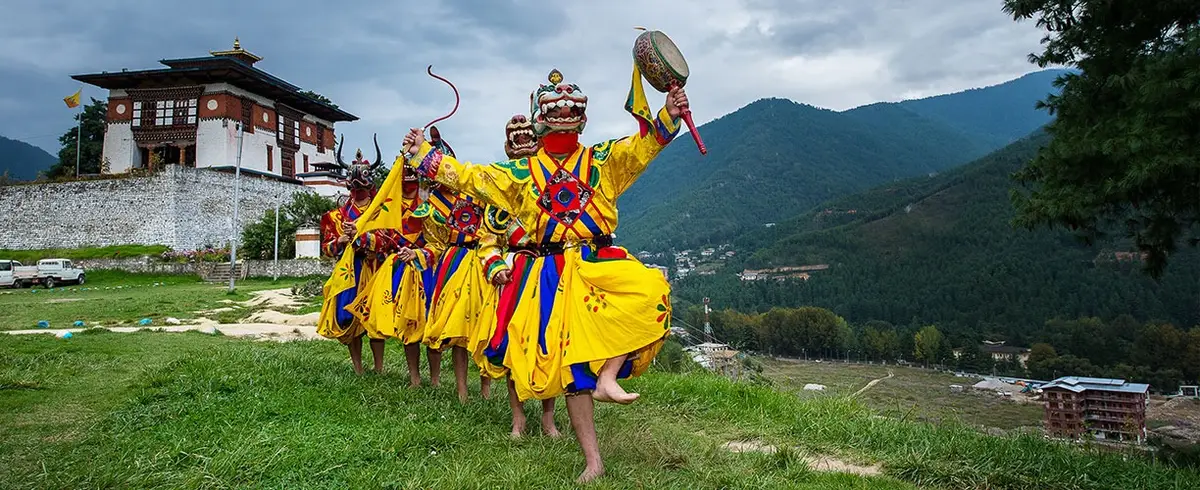
Paro Tshechu Festival Journey
Nine days timed around Bhutan's most celebrated spring festival.
Bumthang Fire Dance Festival Journey
Eleven days to central Bhutan for one of its most mystical festivals.
Thimphu Tshechu Festival Journey
Eight autumn days timed around the capital's great Tshechu.