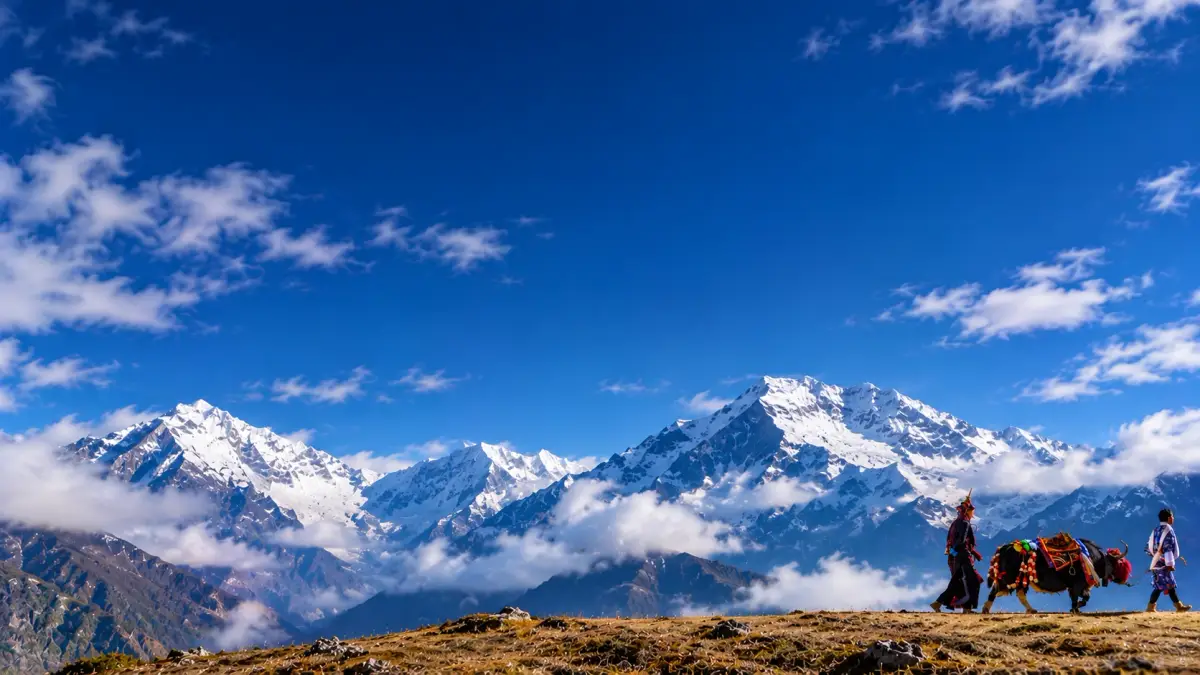
Bhutan has some of the least crowded trekking in the Himalaya. There are no teahouse villages strung along the trails, no queues on the passes and, on most routes, very few other walkers at all. Each night your crew pitches camp beside a lake, a yak pasture or a stream, and you wake to mountains that have barely changed in a thousand years. The hard part is choosing. Here we compare the four treks our guests ask about most, from a gentle introduction to one of the toughest walks on earth.
The four classics at a glance
- Druk Path: about five to six days, highest point a little over 4,200 m, moderate.
- Dagala Thousand Lakes: about five to six days, highest point around 4,500 m, moderate.
- Jomolhari: about seven to nine trekking days, passes approaching 4,900 m, moderate to strenuous.
- Snowman: around 25 days or more, eleven high passes, the highest above 5,300 m, extremely strenuous.
These figures vary by itinerary and by who measured the pass, so treat them as a guide rather than a promise. Every route can be lengthened with rest days or side trips, and most should be.
The Druk Path: the classic first trek
The Druk Path links Paro and Thimphu over the mountain ridge that separates the two valleys. It was once the main footpath between them, and it remains the most popular trek in the country for good reason. It is short, varied and reaches genuine high-mountain scenery without weeks of commitment.
The trail climbs from the Paro valley past the ruins of Jele Dzong, then through forests of rhododendron and pine onto open ridges. Camps sit beside clear alpine lakes, including Jimilang Tsho, known for its trout, and Simkota Tsho. On a clear morning you may see Jomolhari and, further east, Gangkhar Puensum. The final day descends past Phajoding Monastery, with its scattered meditation houses, before dropping into Thimphu.
Who it suits
The Druk Path suits fit walkers who have done some hill walking but not necessarily any high-altitude trekking. Days are typically four to seven hours. Because it begins and ends near Bhutan's two main towns, it slots neatly into a cultural tour.
Dagala Thousand Lakes: quiet and high
South of Thimphu lies the Dagala range, a high plateau scattered with glacial lakes. The Dagala Thousand Lakes trek spends most of its time above the tree line, crossing several passes and camping near lakes that change colour with the weather. "Thousand" is poetic licence, but there are a great many of them.
This is one of the less-visited routes in Bhutan. You are more likely to meet yak herders moving between summer pastures than other trekkers. In late spring the slopes bloom with primulas and rhododendrons, and on clear autumn days the Himalayan views stretch a long way across the horizon.
Who it suits
Dagala is a good choice if you want solitude and high, open country in under a week. It reaches a similar or slightly higher altitude than the Druk Path, so it rewards walkers who have trekked before. Some trails are faint, which makes an experienced guide essential.
Jomolhari: the mountain trek
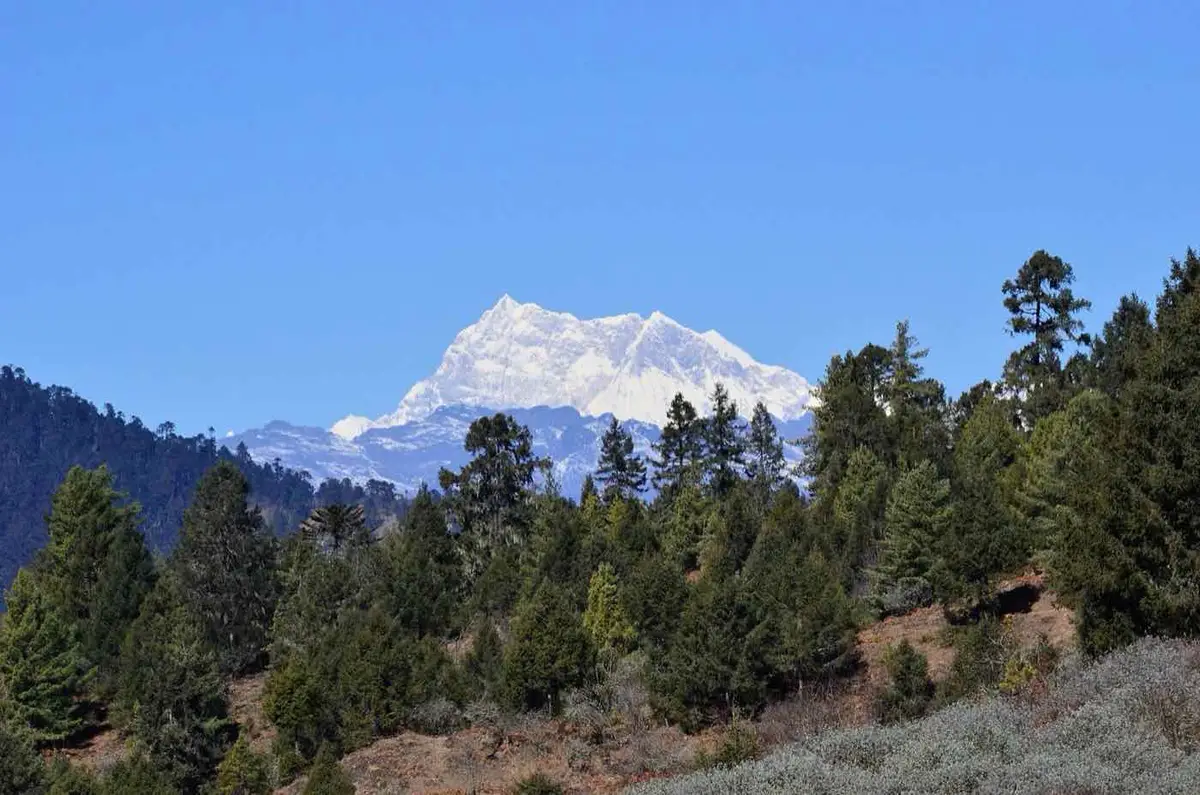
If one image draws people to trek in Bhutan, it is the great white face of Jomolhari, a 7,326 m peak on the Tibetan border that is sacred to Bhutanese. The Jomolhari trek takes you right to its foot.
The route begins near Drukgyel Dzong at the head of the Paro valley and follows the Paro Chhu north through forest, past small farmhouses and up into yak country. After several days you reach Jangothang, the base camp at roughly 4,000 m, where most itineraries rightly include a rest day. Short hikes from here lead to glacial lakes and viewpoints with Jomolhari and Jichu Drake filling the sky.
From Jangothang the classic route crosses a high pass, Nyile La, to the village of Lingshi with its hilltop dzong, before continuing towards Thimphu. Blue sheep, marmots and, if you are lucky, takin live along the way.
Who it suits
Jomolhari suits strong walkers with some previous trekking experience who are comfortable spending several nights above 4,000 m. It is a real expedition, with long days and cold camps, but the scenery is the finest of any trek shorter than the Snowman.
The Snowman: one of the world's hardest walks
The Snowman trek crosses the remote region of Lunana in Bhutan's far north, over eleven high passes. The highest, Rinchen Zoe La, is generally given at about 5,320 m. The full route takes around 25 days or more and passes beneath Gangkhar Puensum, at 7,570 m widely regarded as the highest unclimbed mountain in the world.
The Snowman is famous less for its length than for its exposure. Much of the walk is above 4,500 m, many days are far from any road, and early snow can close the passes. Groups do turn back, and a good operator plans for that possibility from the start.
The Snowman is not a trek to tick off. It is a month in one of the wildest corners of the Himalaya, and it asks for real experience, fitness and patience with the weather.
Who it suits
The Snowman suits experienced high-altitude trekkers only. You should already have multi-week treks above 5,000 m behind you, a flexible schedule, and the temperament to accept a change of plan if the mountains demand it.
Seasons: when each trek is at its best
Trekking in Bhutan follows two main windows: spring, roughly March to May, and autumn, roughly late September to November. Autumn generally brings the clearest skies and the best mountain views. Spring brings flowers and milder nights, with more chance of cloud.
- Druk Path and Dagala: spring and autumn. Being lower and shorter, they have a slightly longer season than the high treks.
- Jomolhari: April to May and late September to November.
- Snowman: a narrow autumn window, usually from late September into October, before winter snow arrives.
The summer monsoon, from about June to August, brings rain, leeches and muddy trails, and winter brings snow to the high passes. Weather in the mountains is never fully predictable, whatever the month.
Permits, guides and support
All treks in Bhutan must be arranged through a licensed tour operator and led by a certified guide. Your operator arranges the route permits, and the Sustainable Development Fee of US$100 per night for adults applies on trekking nights as well as in hotels.
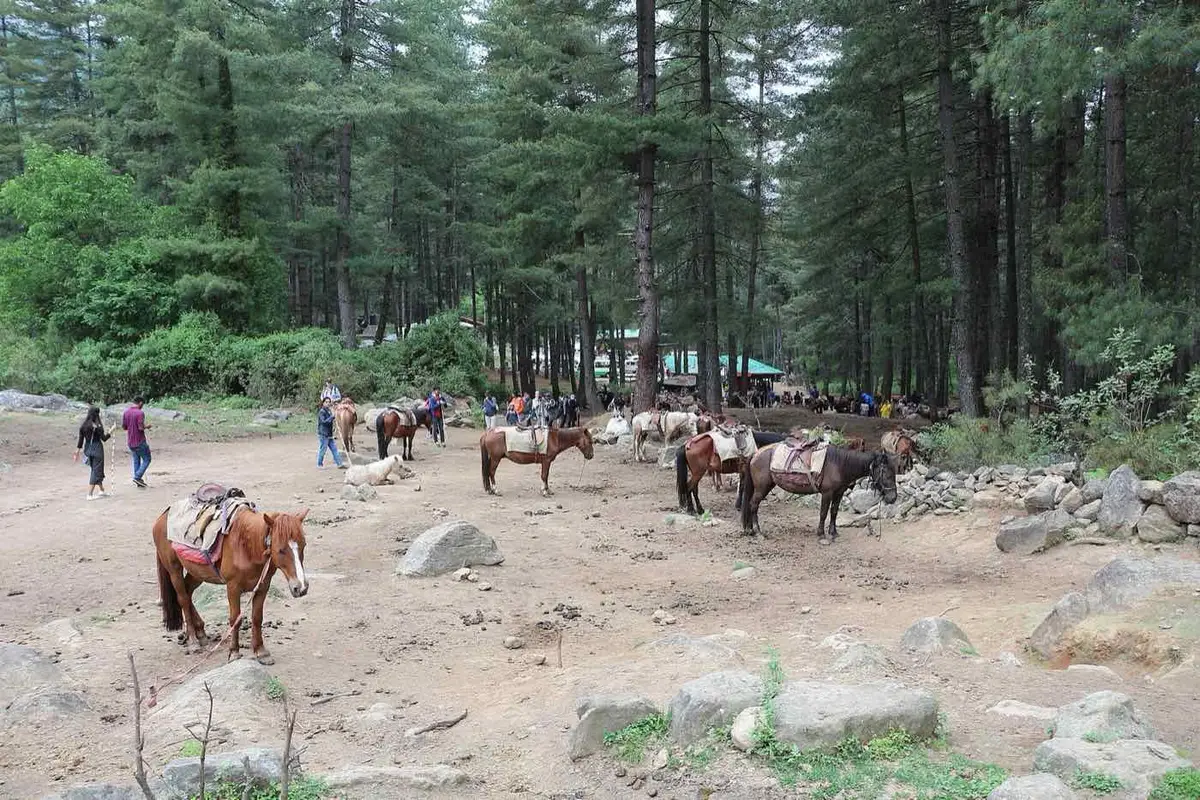
A typical trek travels with a small team: your guide, a cook and an assistant, and horsemen with pack ponies or, at higher altitude, yaks. They carry tents, food and your main bag. You walk with a daypack holding water, layers, snacks and a camera. Meals in camp are hot, generous and often surprisingly varied.
Acclimatisation and altitude
Altitude is the single biggest factor in a successful trek. Everyone adjusts at a different pace, and fitness offers no protection against altitude sickness.
- Arrive early. Spend at least a couple of days in Paro or Thimphu before you set out.
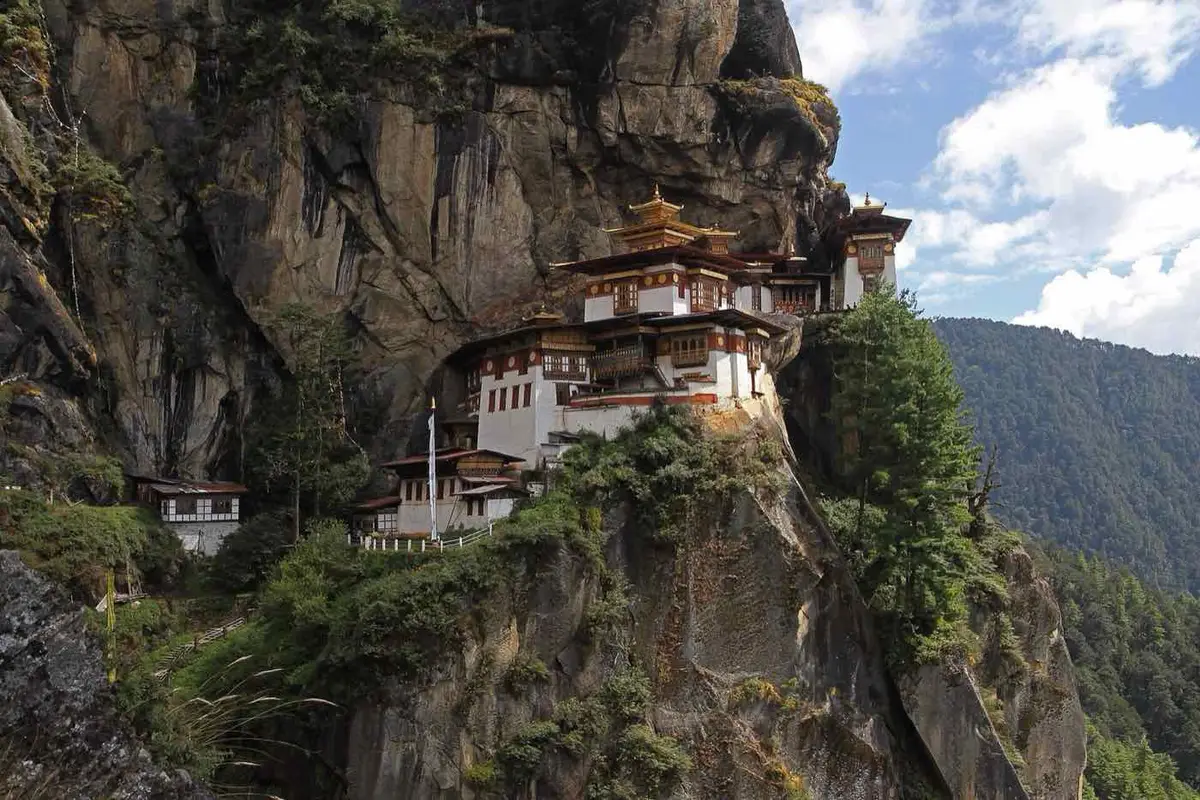
- Warm up on a day hike. The walk to Tiger's Nest, at around 3,120 m, makes an ideal test.
- Go slowly. Walk at a pace that lets you talk, and drink plenty of water.
- Use rest days. On Jomolhari and the Snowman, the rest days are there for a reason.
- Report symptoms early. Headache, nausea, dizziness or unusual breathlessness should be shared with your guide straight away. Descending is the most effective treatment.
Make sure your travel insurance covers trekking at the altitudes you plan to reach, including helicopter evacuation.
Planning tips
- Be honest about your experience. Choose the trek that matches what you have done, not what you hope to do.
- Train with hills. Long walks with a loaded daypack on steep ground are the best preparation.
- Break in your boots well before you travel.
- Allow buffer days in your flights, especially for the longer treks.
- Pair your trek with culture. A few days in Paro, Thimphu or Punakha before or after makes the whole journey richer, and helps with acclimatisation.
Whichever trail you choose, the reward is the same: wide skies, quiet valleys and the rare feeling of having a corner of the Himalaya to yourself. If you would like help deciding, our team in Thimphu is always happy to talk it through.